So, you’re probably wondering, do skater trainers actually work? If you’re a thrill-seeker dipping your toes into the vast ocean of skateboarding, this is a question that bounces around often in your head. Let me fill you in skater trainers work for complete beginners who fear stepping on a skateboard for the first time. They can make you feel a lot more at ease on your board and prevent it from moving. In this piece, we’ll dive into the pros and cons, the stationary vs. moving debate, and the right time to venture into tricks. We’ll unravel why a killer shortcut like skater trainers might not be the most solid choice.
Do skater trainers work? The simple answer is yes and no. They’ll offer you a sense of security and comfort when you’re starting and reduce your chances of eating pavement. Yet, they might also slow your skateboarding progression by encouraging shortcuts instead of mastering the basics.
Why should you master the basics of skateboarding first?
Rolling on four wheels, feeling the cool breeze in your face, and pulling off some sick tricks—the allure of skateboarding is downright irresistible. But let’s hit the brakes here! Many rookies are eager to make progress. But bear in mind that wanting to progress too quickly might lead to a huge pitfall. Skipping the basics of skateboarding is the cardinal sin in the world of shredding asphalt. It’s like wanting to sprint before you’ve learned to crawl.
Riding a skateboard is an art. It involves understanding how to properly push, balance, and control your board. Aiming for the moon (aka shooting for ollies and kickflips) without being cognizant of these fundamentals could set you up for an unpleasant journey, often riddled with nasty falls and injuries. Gaining familiarity with your boards’ behavior is the key to smoothly cruising streets and picking up tricks like manuals and shove-its.
Bones REDS Skateboard Bearings
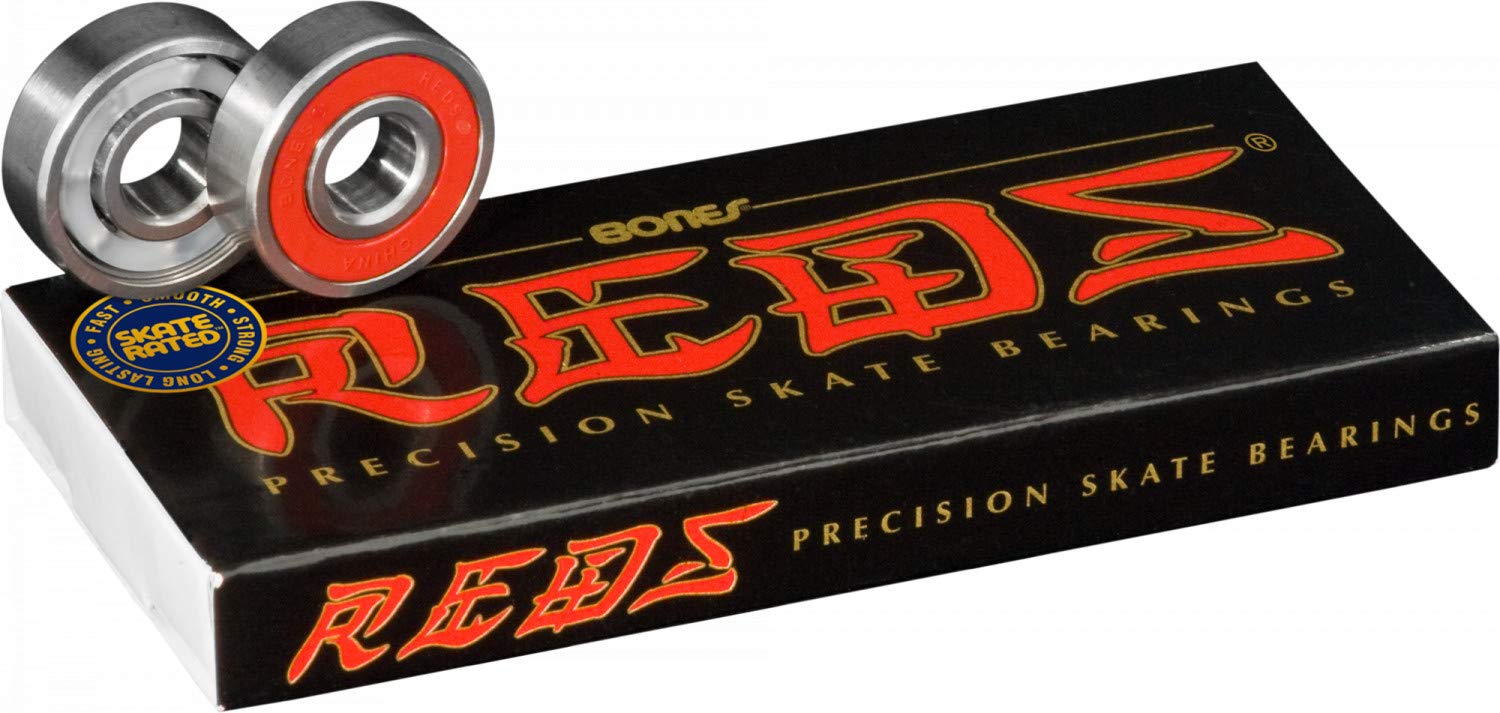
Bones REDS Skateboard Bearings
- High-speed
- Pre-lubricated
- Inexpensive
I may earn a commission if you make a purchase at no additional cost to you.
Should I learn tricks in a stationary position or while moving?
Practicing tricks stationary can go a long way in helping you get a feel for it. It involves going through some of the motions and getting acquainted with the steps needed for the trick. It’s easier, sure, and tends to be less daunting for beginners. Plus, falling off a stationary board might not look as catastrophic. But, oh buddy, let me tell ya, you’re in for a twist of fate.
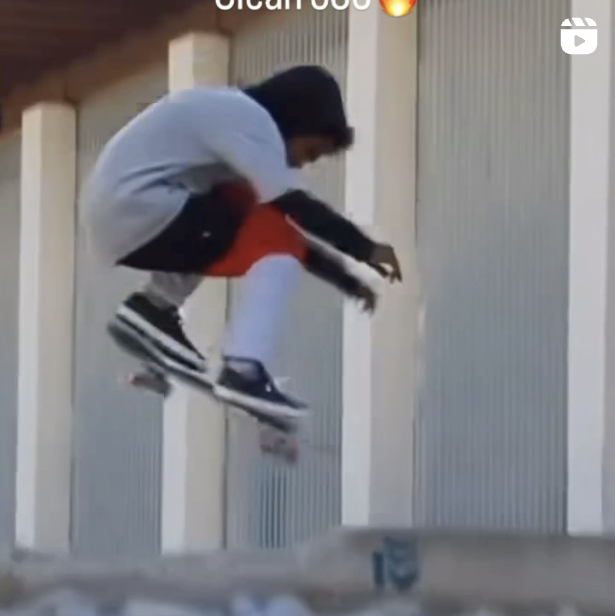
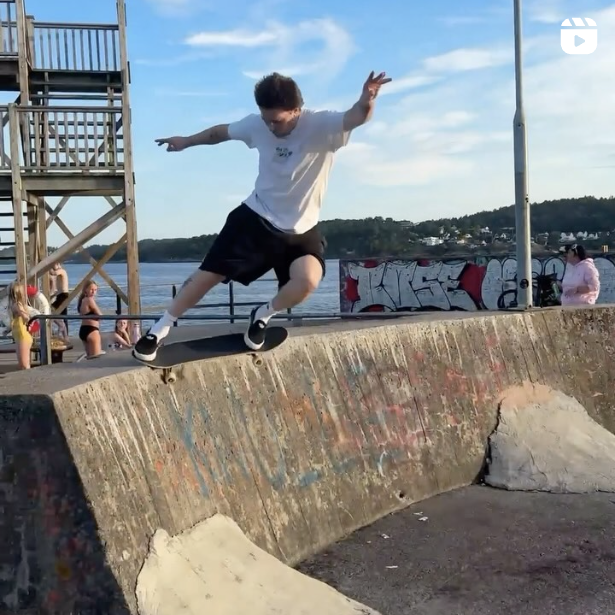
Falling while stationary ups your chances of rolling an ankle or popping a shoulder – falling in motion is actually safer! Learning tricks while moving not only helps you land skateboarding tricks more naturally but also holds more benefits in the long haul – think popping tricks over obstacles while moving, managing different speeds and winds, and gaining control in various situations.
Free Download: My 20 Essential Skateboard Tricks PDF
Sign up to receive my 20 Flatground Tricks Checklist—a systematic approach to tracking and landing flatground tricks.
What are the pros and cons of skater trainers?
Skater Trainers are somewhat of a mixed bag, bringing forth a fair share of pros and cons. They can make total beginners feel comfortable on a skateboard, keeping the board from moving unexpectedly and potentially shielding them from faceplants.
Pros of skater trainers
Here’s an unordered list of pros:
- Aids in balance on the board.
- Great for practicing stationary tricks.
- Augments initial comfort and confidence levels.

However, these trainers can be a thorn in your side in the long run, slowing down your progression by munchifying the basics and promoting the habit of learning tricks in a stationary position.
Cons of skater trainers
Below are the cons that downplay the pros:
- Short-term solution with negligible long-term gains.
- Makes it difficult to practice making minor corrections, a crucial aspect of learning tricks.
- It might lead to serious injury due to a lack of control when you fall.
Now, these aren’t the ten commandments I’m listing here. Appreciate the fact that every skater’s journey is unique and what works for ‘Tony Hawk’ might not work for ‘Rodney Mullen’.
Are skater trainers worth the money?
Given this, you might be turning over the choice in your mind, weighing the pros and cons, scouting through your options. They sure do come with some minor benefits, but why burn a hole in your pocket?
There are cheaper alternatives that offer similar benefits – think patches of grass or anything that can keep the board stationary. Save the extra bucks for buying some decent bearings or better wheels. Or better yet, invest in some skateboarding shoes to enhance your overall skateboarding experience.
That said, you should only take them to the beginner stage – for stepping on a board, getting used to how it feels and gains confidence. Once you start feeling comfortable, it’s time to leave them behind and start challenging yourself to skate without assistance.
My two cents on skater trainers
In my opinion, Skater Trainers are not the ultimate solution to learning tricks. They are at most a minor crutch for beginners who fear stepping on the board for the first time. As they say in the skateboarding community, “Sometimes you gotta eat shit and embrace the fall”, so you can get up that much stronger and better.
“Skateboarding is an art. It’s a dance with gravity that requires a balance of body, mind, and spirit. Sometimes you gotta eat shit and embrace the fall.”
Whether you decide to get Skater Trainers or not, remember that the foundation lies in getting comfortable with your board, learning how to move it according to your will, and riding properly. The choice will ultimately be yours, and trust me, there’s no right or wrong in skateboarding.
Your skateboarding journey begins here
Once you are more at ease on your skateboard, it’s time to get those wheels rolling. Push, carve, ride fakie, cruise around. Test out different surfaces like asphalt, pavements, and slick tennis courts. You’ll get a sense of how the board responds and how to control it and maintain balance.
Gradually, you can try some simple kick turns, riding up and down ramps before moving on to basic stuff like manuals and shove it. Engage with the skateboarding community through YouTube channels or even watch some interesting skateboarding documentaries. It’s essentially beginning a beautiful relationship with your skateboard where it’s both your dance partner and your competition.
Skateboarding isn’t just about picking up the latest tricks or being the fastest in the park. It’s about the countless hours spent falling and getting back up, the love for the community, and the joy of simply cruising around. So, buckle up for an insane adventure on four wheels!
Dos and don’ts of using skater trainers
When it comes to using Skater Trainers, there are a few important dos and don’ts that you should keep in mind to maximize your learning and maintain safety. These pointers can drastically influence your skateboarding journey, either catapulting your progress or slowing it down.
| Dos | Don’ts |
|---|---|
| Use Skater Trainers as a stepping stone for proper balance and control. | Don’t rely heavily on Skater Trainers to learn new tricks. |
| Ditch them once you’re comfortable with the board’s behavior. | Don’t rush to learn tricks; understand the basics first. |
| Consider cheaper alternatives-like patches of grass. | Don’t ignore the importance of moving tricks. |
Advantages and disadvantages of skater trainers
Navigating the world of skateboarding can be intimidating for newcomers. While Skater Trainers promise a safe and comfortable initiation, they carry their fair share of disadvantages that might obstruct your learning progress.
Advantages
Skater Trainers come with their charm, offering initial comfort and boosting the confidence of first-time riders. Here are the main advantages:
Ideal for beginners to gain initial balance
Enables a safer environment for practicing stationary tricks
Augments initial comfort and confidence levels
Disadvantages
While they do offers slight advantages, relying heavily on them can lead to a slower progression in your skateboarding skills. Here are some of the main disadvantages:
* Encourages bypassing essential basics
* Promotes stationary trick learning, which isn’t ideal
* Makes it difficult to practice making minor corrections
* Can lead to serious injury due to lack of control while falling in a stationary position.
* Might burn an unnecessary hole in your pocket
If you are a visual learner, check out the video below from YouTube.
Frequently Asked Questions (FAQ)
Let’s cover some common queries related to skate trainers and skateboarding basics. Hopefully, these answers will clear any lingering questions and help you approach your skateboarding journey with a clearer perspective.
How long should I use skater trainers?
Skater Trainers should be used just as a starting point, especially when you’re stepping on a board for the first time. Once you begin feeling comfortable on your skateboard, it’s crucial to move away from them. This could be a matter of days or a couple of weeks, depending on your pace. Ditching them soon will help you understand how to balance and control a moving skateboard, which is paramount to your progress.
Can I use skater trainers on any skateboard?
Yes, Skater Trainers are designed to fit all skateboards. But before you jump to buy a pair, consider focusing on learning the basics on your board without aid. Getting comfortable with your board and learning how to ride properly should be your first steps. Check out this guide on skateboard maintenance for maintaining the longevity of your board.
Are there any alternatives to skater trainers?
Indeed, there are cheaper (or even free) alternatives to Skater Trainers. For instance, you can practice on a patch of grass, which will hold your board still while you’re trying to get the feel of it. Ultimately, the main goal is to prevent the board from sliding away, and anything that accomplishes this can serve as an alternative.
How can I progress from basic riding to doing tricks?
After you’re comfortable with just riding around, try out some kick turns and ride up and down on ramps. Once you’ve got that under your belt, proceed to basic tricks like manuals and shove it. There are quite a few tricks that don’t require you to kickflip or ollie, and they can look pretty impressive to start with. Here’s an article on learn-order skateboard tricks to aid you in that progression.
Final thoughts
Skater Trainers can be a beneficial aid, but mastering the basics, learning to ride properly, and understanding the breadth and depth of your board’s behavior will be your key to progress. As you roll ahead in your skateboarding journey, remember that the essence of skateboarding isn’t just the tricks, it’s also the growth, grit, and camaraderie of the community that it fosters.
How was your experience with skater trainers? Did they help your progress, or did they establish habits hard to shake off? And did I cover everything you wanted to know? Let me know in the comments section below. Remember, I read and reply to every comment. If this article added value to your skateboarding paradigm, don’t keep it all to yourself! Share it with your pals, and check out my full blog for more asphalt-shredding tips and tricks. Thanks for reading, and keep pushing those limits!
Key takeaways
This article covered whether skater trainers work for beginner skateboarders and if they are worth purchasing. Here are some key takeaways:
- Skater Trainers are beneficial for absolute beginners, providing initial balance and comfort.
- Focusing on mastering skateboarding basics is of higher value than using skater trainers.
- Learning tricks while moving is more beneficial in comparison to stationary training.
- Practicing tricks on a stationary board increases the risk of injuries.
- Alternatives to Skater Trainers, like practicing on a patch of grass, are available and economical.
- The decision to use Skater Trainers ultimately lies with the individual and their level of comfort on a skateboard.