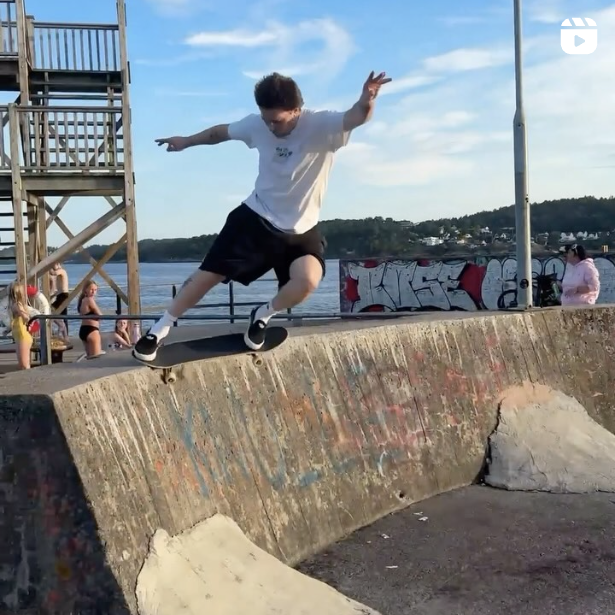
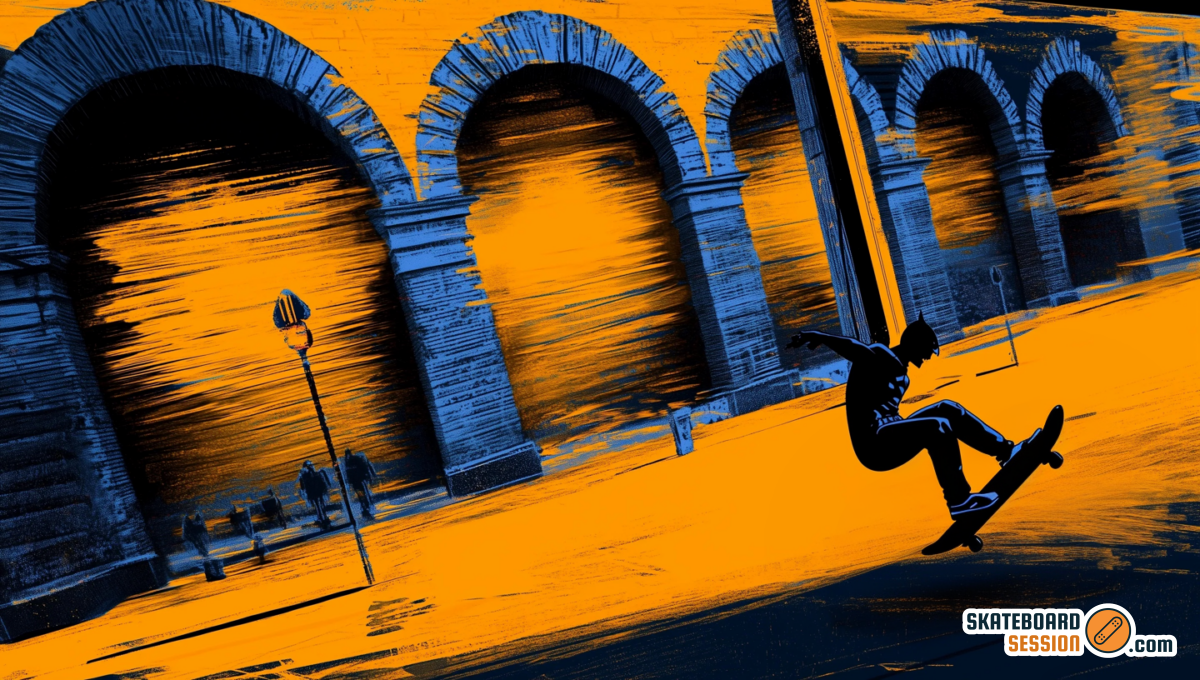
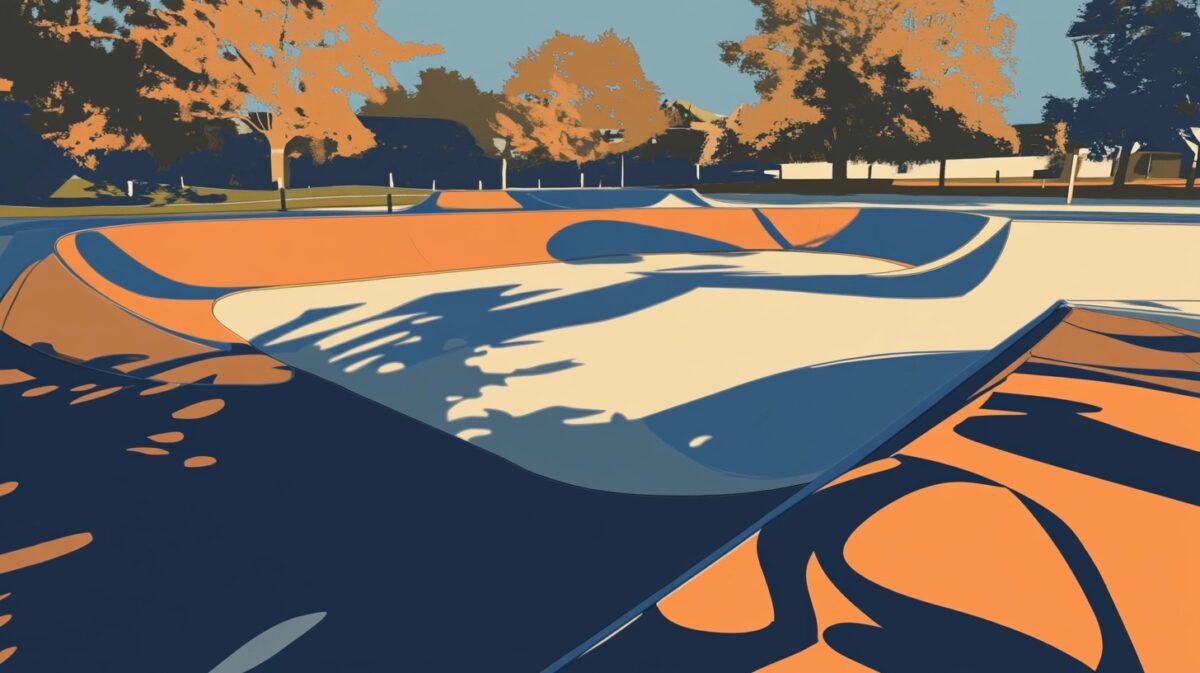
What is a bank? It’s a skateable surface that angles either up or down from flat ground, often mixed with other skatepark features to form pyramids or A-frames. Ever wondered how to command a bank like a pro? Well, you’ve come to the right place!
A video titled ‘THE KEY TO SKATING A BANK!!! BEGINNER TIPS‘ from the Liam Ottley YouTube channel.
Key takeaways
- Banks provide a diverse terrain essential for practicing and mastering a wide range of skateboarding tricks.
- Transitioning from flatground to banks requires consistent practice and a keen understanding of the bank’s angle.
- Skating on banks significantly improves your balance and dynamic control, essential for advanced maneuvers.
- Mastering banks lays the groundwork for executing complex street skating techniques with confidence.
For those just starting their skateboarding journey, starting with flatground tricks before moving onto banks could be a wise strategy. Remember, folks, once you’re comfy doing Fakie on flat, banks will be your next playground.
What makes banks iconic?
Banks have always held a special place in skateboarding, from being platforms for perfecting your Kickflips to serving as focal points in skate parks.
One of the most cherished bank spots happens to be the Brooklyn Banks in New York City. This gnarly spot was the breeding ground for legendary skaters like Keith Hufnagel, Jason Dill, and Chad Muska. For over 13 years, the Brooklyn Banks Skatepark remained closed due to Brooklyn Bridge renovations.
But after a long wait, the city of New York and the Brooklyn Banks reopened this iconic location. This year, in May, coinciding with the 140th anniversary of the bridge above, it reopened as a component of a broader public area named the Arches.
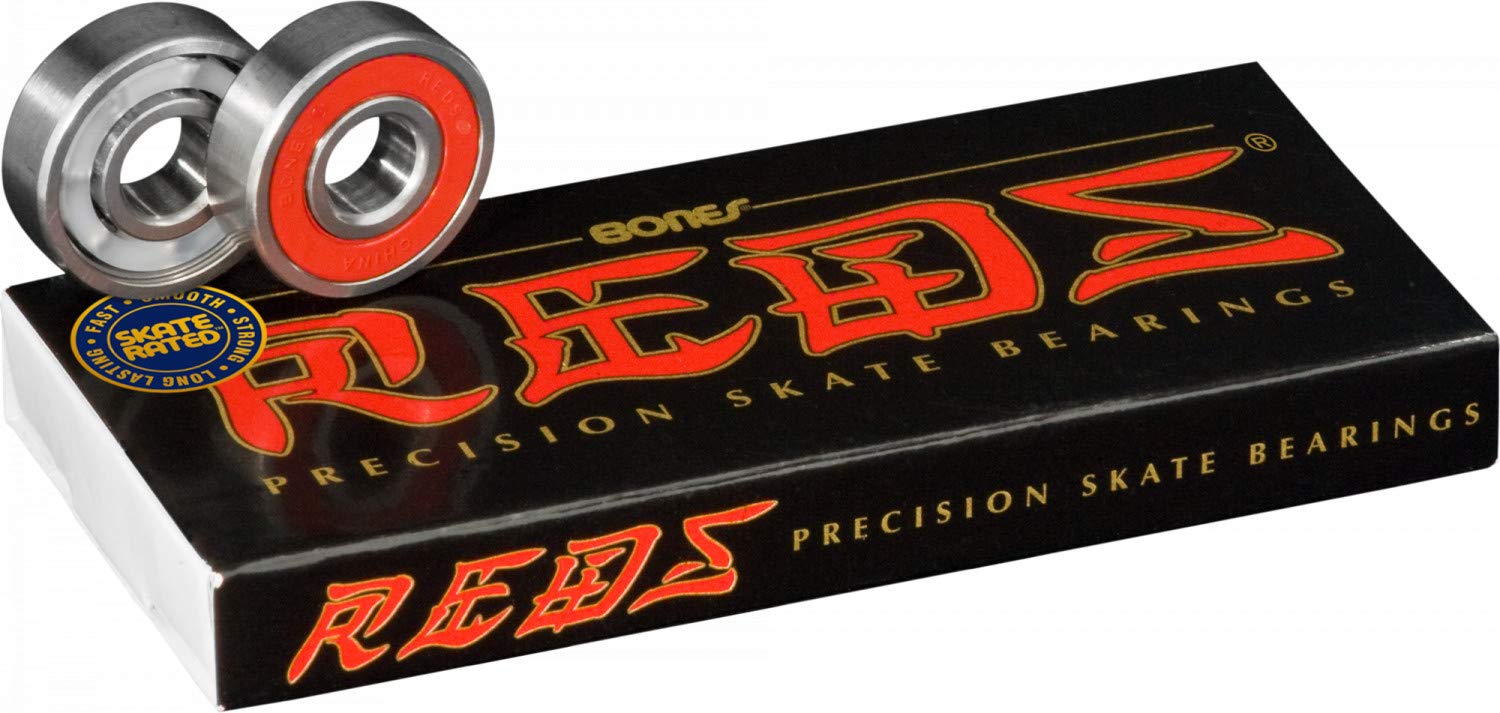
Bones REDS Skateboard Bearings
Bones REDS Skateboard Bearings
- High-speed
- Pre-lubricated
- Inexpensive
I may earn a commission if you make a purchase at no additional cost to you.
How do we dominate the bank?
The simplicity of banks belies their ability to transform your skating techniques significantly. It’s all about keeping your weight equally distributed. The switch from flat to uphill to downhill is a rollercoaster ride requiring an intricate balance game.
- Learn to pivot: Try pivoting on the flat before transferring it onto a bank. Frontside, backside, find your side.
- Master ‘Fakie’: This technique helps you shift your weight differently – a crucial requirement for bank skating. In no time, you’ll be doing Fakie like a champ!
- Mind the fall: Avoid putting too much weight on the nose; believe me, slipping on a bank is pretty wack.
Free Download: My 20 Essential Skateboard Tricks PDF
Sign up to receive my 20 Flatground Tricks Checklist—a systematic approach to tracking and landing flatground tricks.
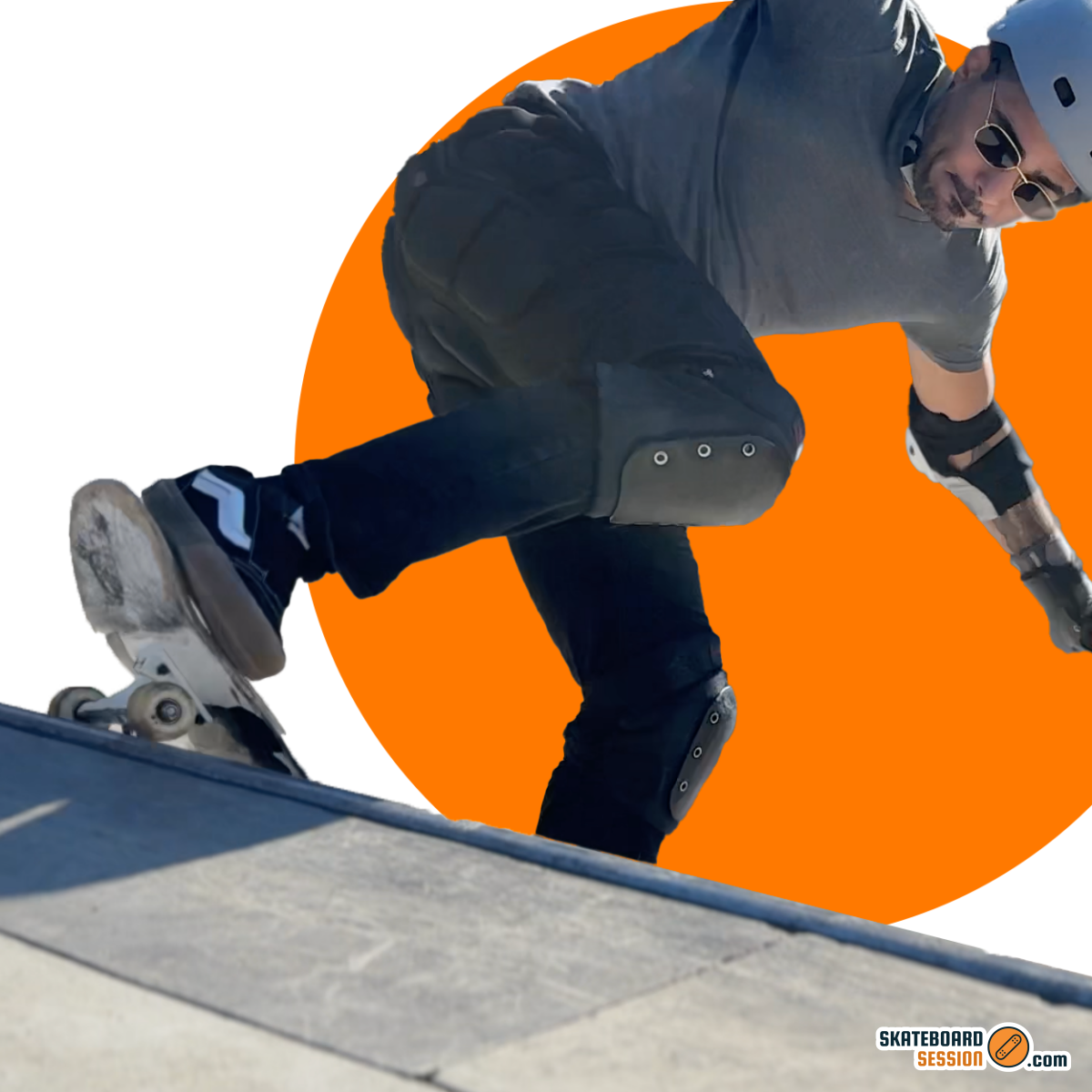
What are some tricks you can do on banks?
Below is a peek into the wide array of flatground tricks you could master on a bank, paired with some skate industry legends known for owning these tricks.
- Master the Ollie: An absolute essential. Once you switch from flat ground to a bank, you’ll need to tweak your Ollie technique – factoring in the bank’s tilt!
- Get adventurous: Go for a Pop-Shove-It or a Kickflip post your Ollie adventures. Practice makes perfect.
- Avert a slam: If you stumble upon a trick, don’t retreat – strike back! Hop back on your board and show that trick who’s boss.
Do banks deserve their due?
In my journey with skateboarding, tackling banks has been a game-changer for me. I still remember the first time I ventured from the safety of the flat ground and plunged onto the angled turf of the bank. Let me tell you, it felt like a whole new skateboarding dimension.
The curious blend of art, lifestyle, and sport brilliantly reflects the dynamic nature of banks. Nailing an Ollie on a bank after a tonne of slams was definitely no less than artistry for me.
Banks are like that underpowered, overlooked video game character that surprisingly packs tons of fun and challenge once you tap into their potential? In my non-expert opinion, banks deserve more attention than they usually get.
I mean, these angled wonders teach you more than just tricks; they are about mastery over balance, understanding the dynamics, and enjoying the sweet blend of difficulty and fun.
By the way, you might want to check this out, Can You Be Too Tall To Skateboard? It’s a banger of a post!
Frequently asked questions (FAQ)
One of the most common mistakes is **overcommitting** to a trick before fully understanding the bank’s angle. Additionally, neglecting proper weight distribution can lead to unstable landings. Always ensure you’re **balanced** and maintain a **controlled speed** to execute tricks smoothly.
Absolutely. **Rain** can make bank surfaces slippery, increasing the risk of falls. **Cold weather** might make surfaces harder and less responsive, affecting your grip and board control. It’s essential to **adjust your speed** and be mindful of the **surface conditions** to maintain safety and performance.
Yes, beginners can start with bank skating, but it’s advisable to begin with smaller banks to build confidence and technique. Starting on gentler inclines helps you get accustomed to the bank’s angle and how it affects your balance and movement. Always ensure you wear appropriate **protective gear** and consider practicing with a more experienced skater for guidance.
Regular maintenance is crucial for keeping bank surfaces skateable. This includes **sweeping** to remove debris, **repairing cracks** promptly to prevent further damage, and **repainting** markings to ensure visibility. Additionally, ensuring the surface remains **smooth and even** helps maintain optimal skating conditions and reduces the risk of accidents.
Final thoughts
Skateboarding is full of surprises, and banks are one supreme example. They may seem intimidating at first, but once you’ve felt the rhythm, there’s no backing down from banks! Did I cover all your burning questions about banks in skateboarding? Let’s keep the skate conversation going. Comment down below your questions or experiences; I read and reply to every comment.
If you found this post rad, share it with a buddy, and remember to check out the rest of my blog for more jam-packed content about skateboarding. Thanks for coming along for the ride, and remember, keep shredding those decks!